Commercial kitchen pest sanitation defense resolves chronic insect and rodent pressures by addressing structural micro-climates rather than depending solely on baseboard spray applications. In high-output food service…
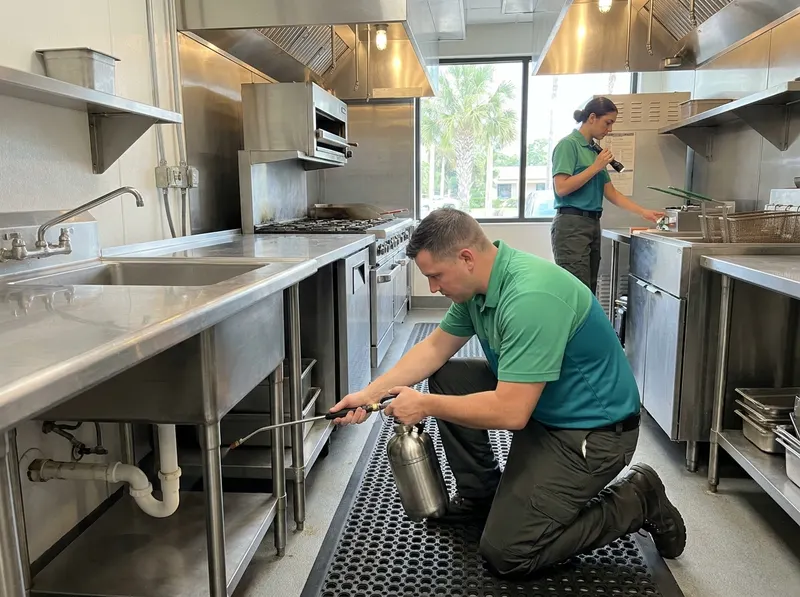
Commercial kitchen pest sanitation defense resolves chronic insect and rodent pressures by addressing structural micro-climates rather than depending solely on baseboard spray applications. In high-output food service operations along 7th Avenue in historic Ybor City or modern dining kitchens throughout Hyde Park and Tampa Heights, persistent humidity accelerates the accumulation of gelatinous sugar-protein biofilms inside floor drains. Routine mopping frequently pushes grease-laden water beneath equipment caster wheels and silicone cove base seams. DirectCare Pest Solutions combines mechanical crack exclusion with bacterial digestion agents meeting NSF International nonfood compounds standards to purge breeding substrates at the source. This targeted process removes the harborage niches that allow German roach nymphs and phorid fly larvae to bypass superficial surface cleaning.
Selecting a sanitation-backed structural defense protocol over standard monthly perimeter sprays represents a critical operational distinction. Surface residual insecticides applied to tile grout break down within 48 to 72 hours under caustic floor degreasers, high-temperature washdowns, and continuous kitchen traffic. Conversely, bio-enzymatic treatments utilize non-pathogenic bacterial cultures that stay active inside plumbing traps, converting lipids and organic debris into inert carbon dioxide and water. The operational trade-off centers on prep labor: an enzyme and exclusion program requires culinary staff to complete pre-treatment deep cleaning and maintain floor dryness overnight. Facilities adhere to environmental standards outlined by the EPA Pesticides Program and food handling safety parameters defined by the U.S. Food and Drug Administration, prioritizing non-volatile baits over indiscriminate aerial fogs.
Local facility architecture across Hillsborough County demands distinct tactical adjustments. In historic masonry establishments across Ybor City and downtown Tampa, mortar degradation around grease trap conduits creates unimpeded subterranean passages for roof rats and American roaches seeking indoor relief during summer rain cycles. Strip-center kitchens across Westchase, Carrollwood, and New Tampa frequently feature dropped-ceiling voids and shared service chases where electrical conduits connect adjacent retail units, requiring tight mechanical barriers aligned with OSHA General Industry Standards. DirectCare Pest Solutions implements physical vector exclusion guided by sanitation standards from the Florida Department of Agriculture and Consumer Services and inspection criteria established by the Florida Department of Health. Kitchens comply with food-contact sanitization benchmarks overseen by the CDC Food Safety Office, fire-code wall penetration clearances from the National Fire Protection Association, commercial pesticide applicator mandates via the National Pesticide Information Center, and waste management practices vetted by Florida Department of Environmental Protection guidelines.
Every job gets a firm, written price after a free on-site visit.
For standards, safe disposal, and service guidance on PEST CONTROL SEVICE in Tampa, FL, useful references include U.S. EPA, ENERGY STAR, U.S. Dept. of Energy, Consumer.gov, U.S. Census Bureau, and Google Maps. General consumer and small-business resources are available from USA.gov, Better Business Bureau, FTC Consumer Advice, U.S. Small Business Administration, and Ready.gov.
Tell us about your commercial kitchen pest sanitation defense job in Tampa and we'll send a clear, written quote, usually the same day.
 DirectCare Pest Solutions